-

Chapter Two, Morocco, Part Six: Taming Tangier
Cafe Baba was a revelatory experience, which wasn’t what I expected from the simple act of looking at some pictures, drinking some Moroccan tea and the contact high of all the hashish being smoked, which may or may not have caused me to lose track of time as I found myself staring into the oblivion…
-

Chapter 2, Morocco, Part Five: The Blue and White Cities.
I arrived in Chefchaouen at around 1PM, with the day halfway over and a 6 hour bus ride behind me. I stood at the bus station on top of a mountain in a city painted blue. I had an idea of a plan, and once again called upon Mustafa to assist me. When we were…
-
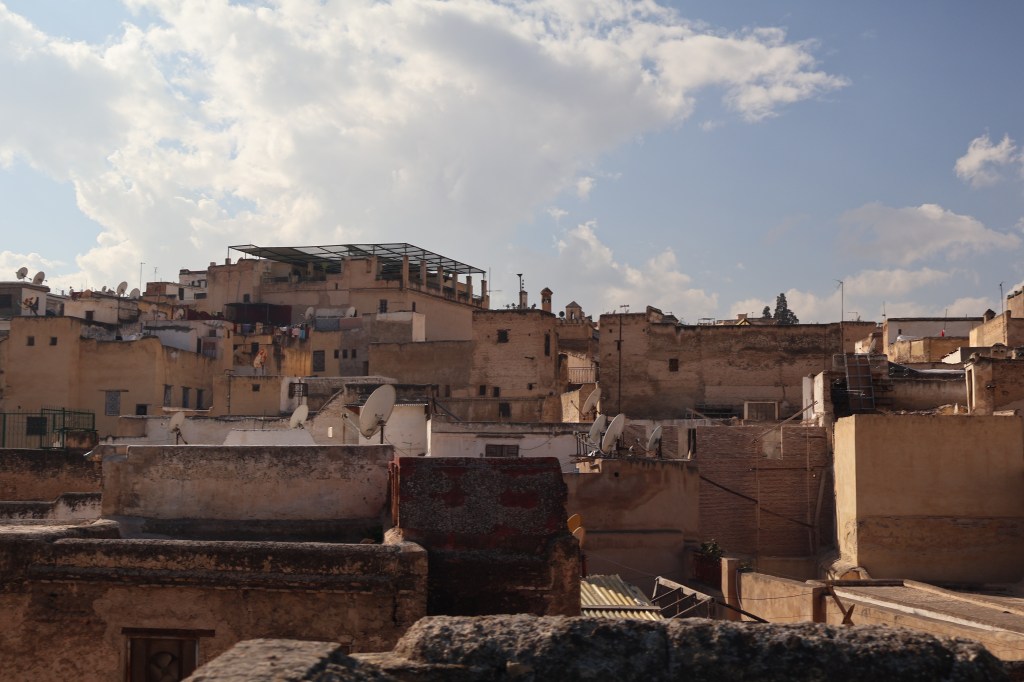
Chapter 2, Morocco, Part Four: Figuring Out Fez
The challenge of the next four days would be to try and change this feeling of disillusion I had with Morocco. Three cities, Fez, Chefchouen, and Tangier. During my reflection on the last few days since Marrakesh I had the revelation that the Medinas were nothing but theme parks to scam tourists and backpackers. Mustafa…
-
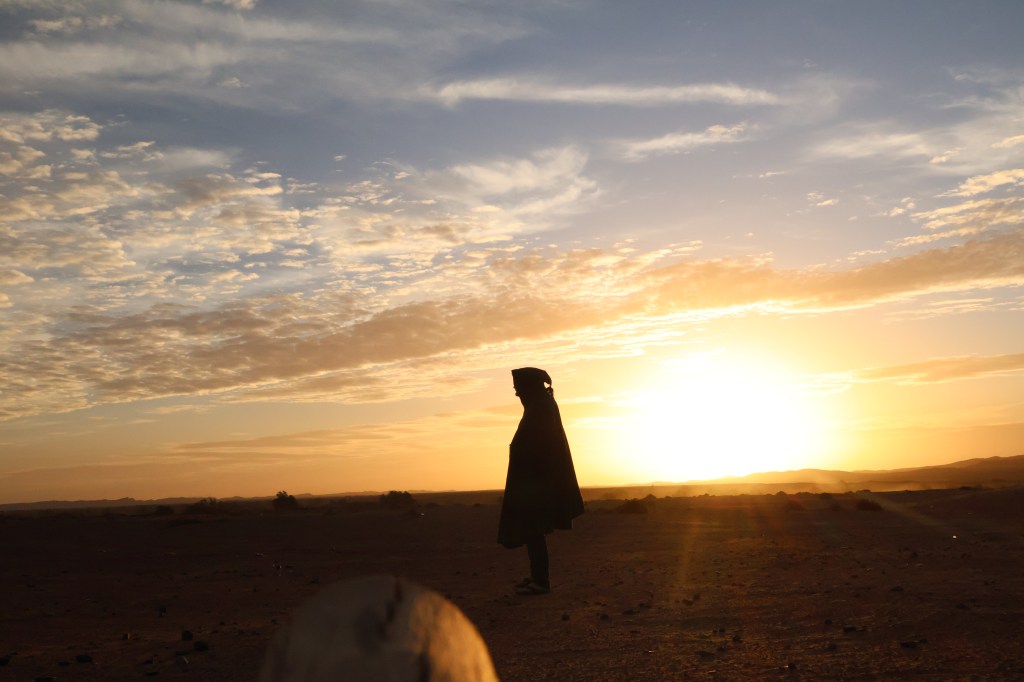
Chapter 2, Morocco, Part Three: Journey Through the Desert
Marrakesh was nearly over. Today I would leave with a private guide to take me down into the Southeastern parts of Morocco to a camp in the Sahara Desert for two nights, then the guide would drive me north and drop me off in the city of Fez where I would stay for one night…
-
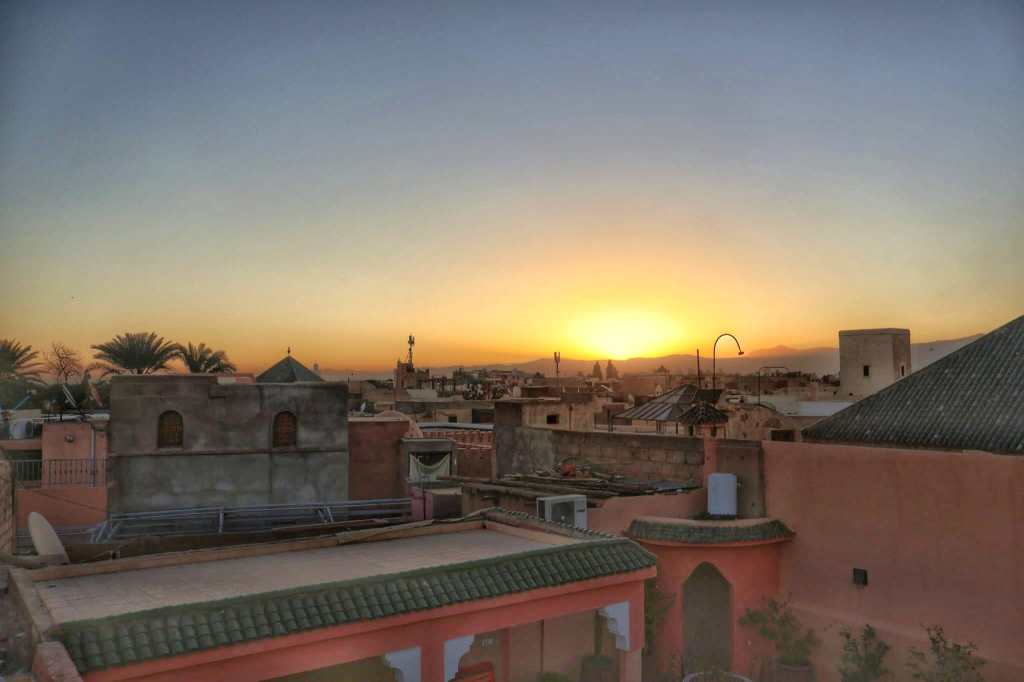
Chapter 2, Morocco, Part Two: Memories of Marrakesh
My first full day in Marrakesh I woke up before dawn to the screeching of cats. I’m not sure if they were fighting or fucking and I didn’t really care. I bolted up to the rooftop to get my first minutes of Morocco in the sun. I must’ve stayed up there for an hour snapping…
-
Subscribe
Subscribed
Already have a WordPress.com account? Log in now.
 ChrisCrossesCountries